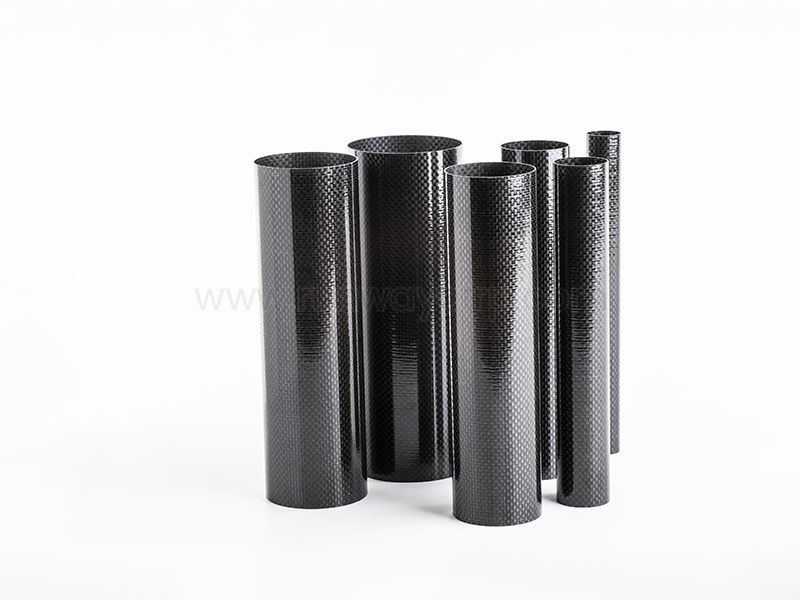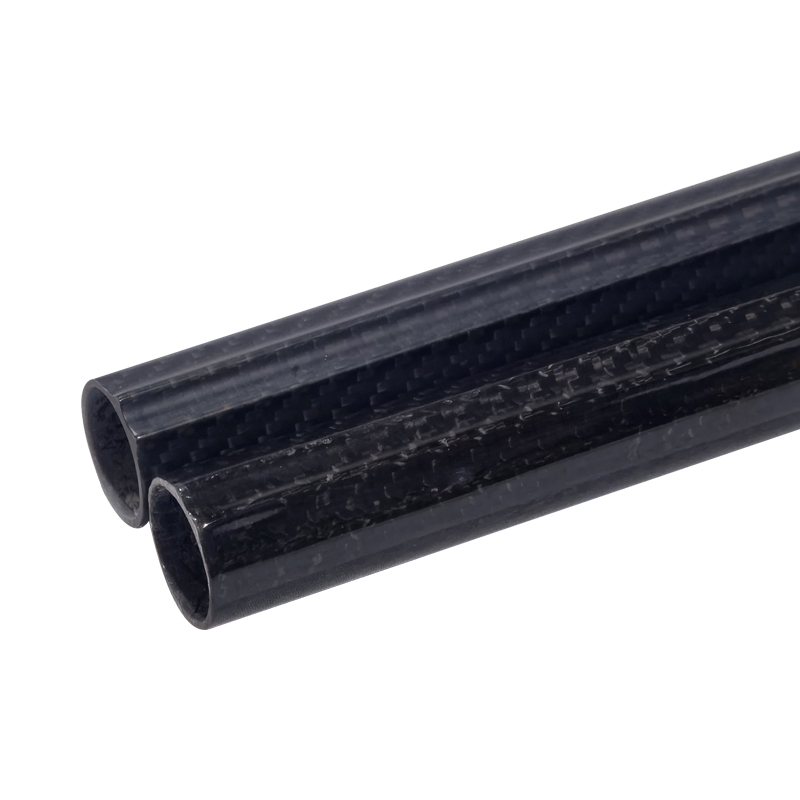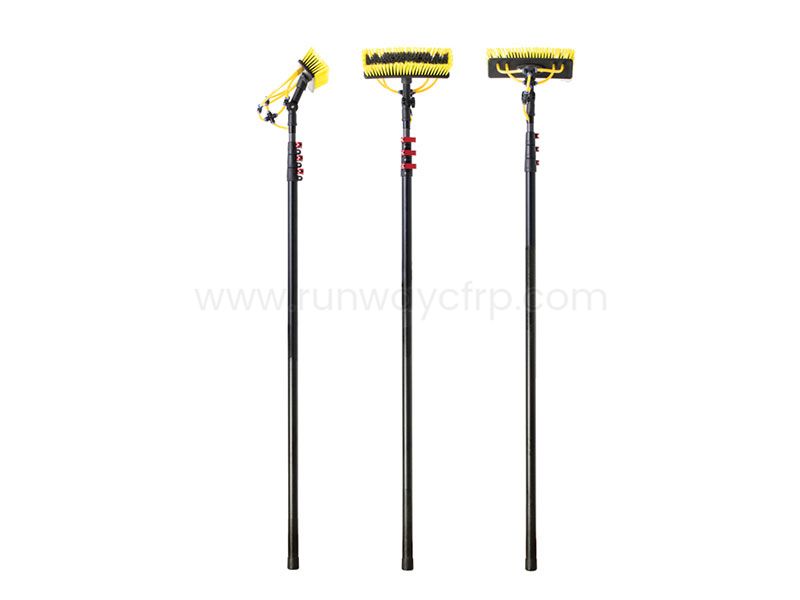
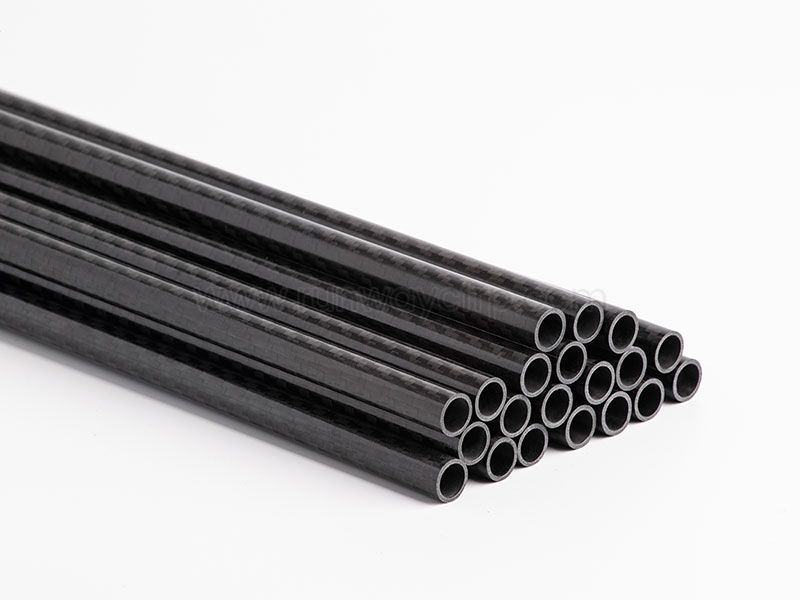
Carbon Fiber Tubes have surged in popularity due to their unique properties and diverse applications in various industries. Understanding these lightweight components is essential for buyers and distributors, as they hold many advantages and a few disadvantages that may impact choice. This article explores the advantages, disadvantages, and practical applications of carbon fiber tubes to help you make an informed decision.
Carbon fiber tubes are renowned for their high strength-to-weight ratio. This means they offer remarkable strength while being significantly lighter than metals such as steel or aluminum.
Unlike metal tubes, carbon fiber does not corrode, making it ideal for use in harsh environmental conditions. Its durability ensures longevity and reduces maintenance costs.
These tubes provide excellent rigidity, maintaining their shape under stress, which is crucial for structural applications.
Carbon fiber can be molded into complex shapes, allowing for innovative designs tailored to specific needs. This adaptability is advantageous in diverse industries.
Carbon fiber tubes excel at absorbing vibrations, making them ideal for applications where reduced noise and vibration are desired.
One notable drawback is the higher production cost compared to materials like aluminum or steel. This can be a barrier for budget-conscious projects.
Although strong, carbon fiber can be brittle. It is more prone to damage from impact compared to metals, necessitating careful handling.
Repairing damaged carbon fiber is often not feasible, which could lead to expensive replacements rather than simple repairs.
The manufacturing of carbon fiber tubes involves complex processes that may lead to longer production times.
Carbon fiber tubes are widely used in the production of high-performance sports equipment like bicycles, golf clubs, and fishing rods.
In aerospace, these tubes reduce weight, contributing to fuel efficiency and performance in aircraft and spacecraft components.
Carbon fiber tubes are employed in automotive manufacturing, enhancing vehicle performance while reducing weight for better fuel efficiency.
In the medical field, these tubes are used in specialized equipment, improving performance while ensuring patient safety and comfort.
Used in military vehicles and equipment, carbon fiber tubes enhance performance while providing durability under harsh conditions.
| Advantages | Disadvantages |
|---|---|
| High strength-to-weight ratio | Higher production costs |
| Corrosion-resistant | Brittle structure |
| Excellent stiffness | Limited repair options |
| Versatile design possibilities | Complex manufacturing |
| Effective vibration damping |
Carbon fiber tubes offer a range of benefits, including lightweight, strength, and resistance to corrosion. However, it is vital to be aware of their higher cost and susceptibility to brittleness. These tubes have proven valuable across various industries, from sports to aerospace. Understanding their advantages and limitations aids customers in making informed selections tailored to their unique needs.
To assist in choosing the right carbon fiber tube for your application, follow these steps:
Identify the required specifications (size, weight capacity).
Evaluate your budget for materials.
Consider the application environment (e.g., exposure to chemicals).
Ensure compliance with industry standards.
Consult a manufacturer for customized solutions.
For high-quality carbon fiber tubes, consider partnering with Runway, a trusted name in advanced composite materials.
+86 156 9543 6852
Science & Technology Industrial Park, Zhangdian, Zibo, Shangdong, China