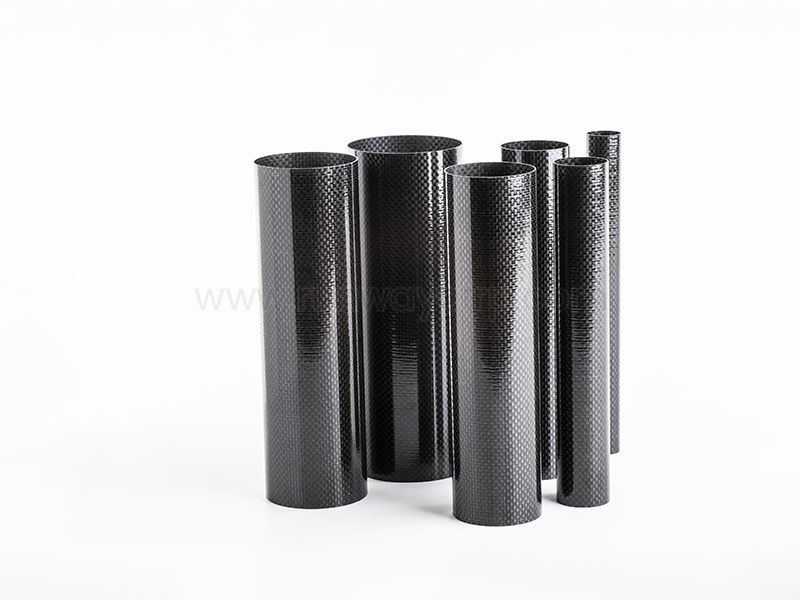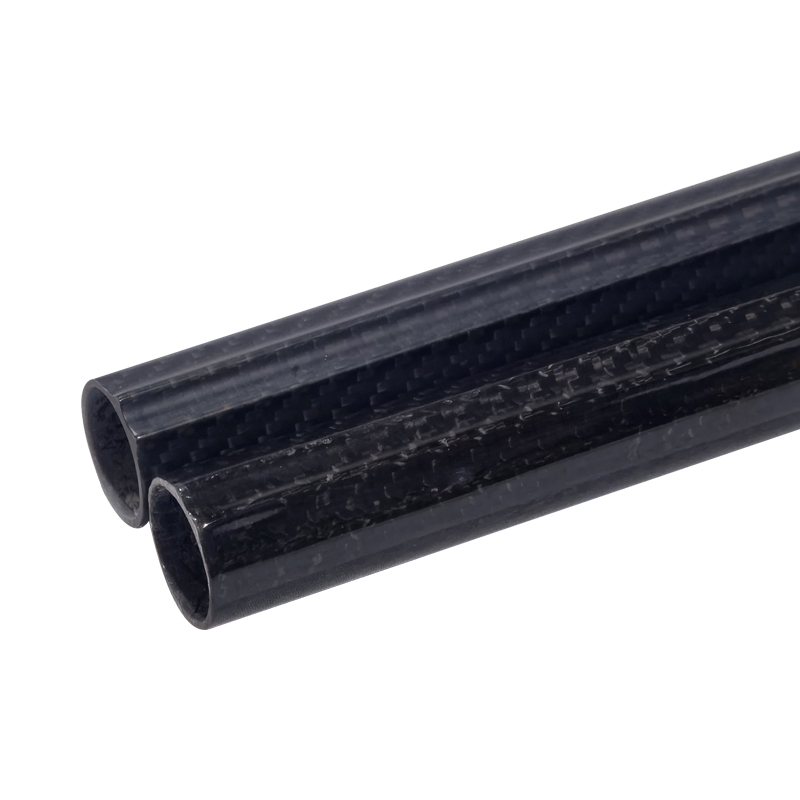
When it comes to bonding Carbon Fiber Tubes, I understand how critical it is to have a reliable process that ensures strong, durable connections. Whether you’re crafting aerospace components, sporting goods, or automotive parts, success hinges on precise bonding techniques. In this article, I will provide you with clear, actionable steps to bond carbon fiber tubes effectively, helping you achieve robust results while navigating common challenges with confidence.
To start, let’s dive into the essential components you need for bonding carbon fiber tubes efficiently.
Before you can successfully bond carbon fiber tubes, gather the following tools and materials:
Epoxy Adhesive: Choose a high-strength, low-viscosity epoxy suitable for composite materials, ensuring it meets ASTM D 1002 standards for adhesive strength.
Sandpaper (60-120 grit): For surface preparation to enhance adhesion.
Isopropyl Alcohol: To clean the bonding surfaces thoroughly.
Clamps or a Jig: To hold the tubes in place while the adhesive cures.
Mixing Tools: Small cups and sticks for precise epoxy mixing to a precision of 0.01mm.
Now, let’s move through the bonding process step-by-step.
Sand the Bonding Areas: Use sandpaper to create a rough surface on both carbon fiber tubes. This enhances engagement between the adhesive and the fibers.
Clean Thoroughly: Wipe the sanded areas with isopropyl alcohol to remove any dust or oils. This step is crucial; any contaminants can weaken the bond.
Measure and Mix: Refer to the epoxy manufacturer’s instructions and mix the resin and hardener in the recommended ratio. Precision in mixing ensures optimal strength.
Stir Thoroughly: Ensure there are no unmixed components. A homogeneous mix results in consistent adhesive properties.
Coat Generously: Apply a generous layer of the mixed epoxy onto the prepared surfaces of the carbon fiber tubes. Ensure even coverage to avoid weak spots.
Join the Tubes: Align the tubes as necessary, firmly pushing them together to allow the epoxy to flow into the micro-voids of the fibers.
Clamp the Assembly: Use clamps or a jig to secure the tubes in place. Ensure that pressure is evenly distributed, as this is crucial for maximizing the adhesive surface area.
Allow for Curing: Follow the epoxy’s recommended curing time, typically around 24 to 48 hours, depending on environmental conditions and adhesive type.
During the bonding process, several challenges might arise. Here are some potential issues and how to overcome them:
Poor Adhesion: If the bond fails, check your surface preparation. Insufficient cleaning or sanding can lead to weak bonds. Always follow the preparation steps meticulously.
Long Cure Times: If fast results are needed, consider using a fast-curing epoxy. Ensure it’s compatible with carbon fibers and suitable for your application.
Alignment Issues: If tubes slip out of alignment, double check your clamping setup. Consider using additional jigs that stabilize the assembly during curing.
To enhance your bonding process, I highly recommend investing in specialized resources. Websites like Runway CFRP offer guidance and insights on various bonding techniques and the latest adhesives suitable for carbon fiber applications. You can review comprehensive tutorials and join forums to share experiences with other professionals in the field.
In summary, bonding carbon fiber tubes requires careful preparation, precise mixing, diligent application, and effective securing methods. By following these steps, you can create robust, long-lasting bonds that stand up to the demands of your industry.
Recap of Key Steps:
Prepare and clean the surfaces
Mix and apply epoxy carefully
Secure the assembly and allow for complete curing
I encourage you to put these methods into action immediately. The benefits of mastering carbon fiber tube bonding are immense, enabling you to elevate the quality of your products and meet industry standards efficiently. For further resources on carbon fiber bonding solutions, check out Runway CFRP and take your bonding skills to the next level!
+86 156 9543 6852
Science & Technology Industrial Park, Zhangdian, Zibo, Shangdong, China