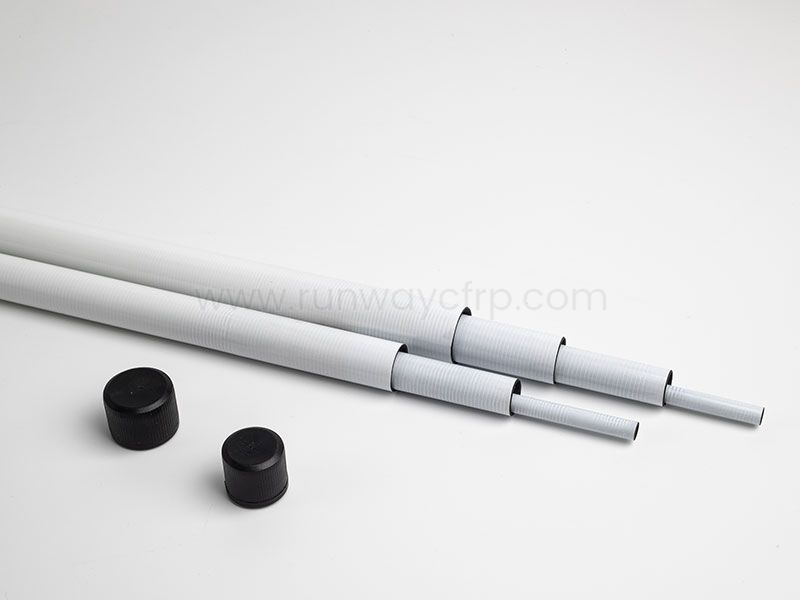
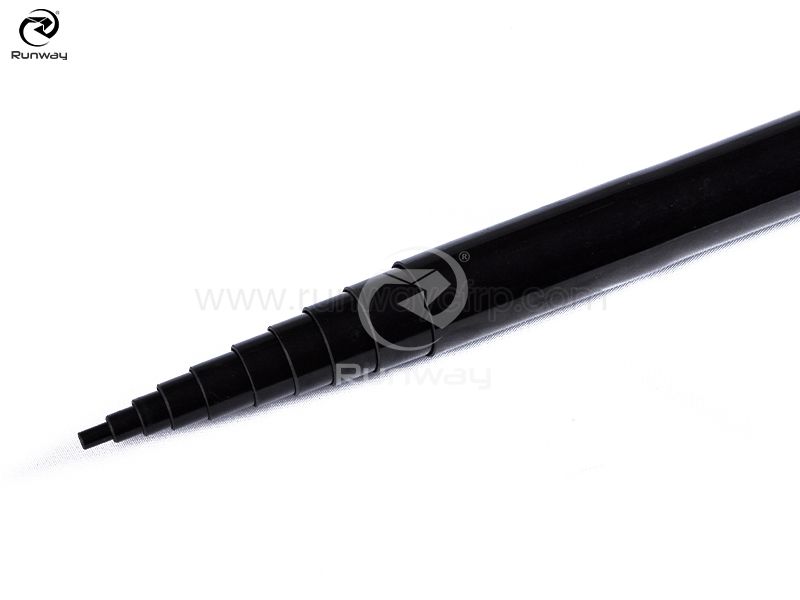
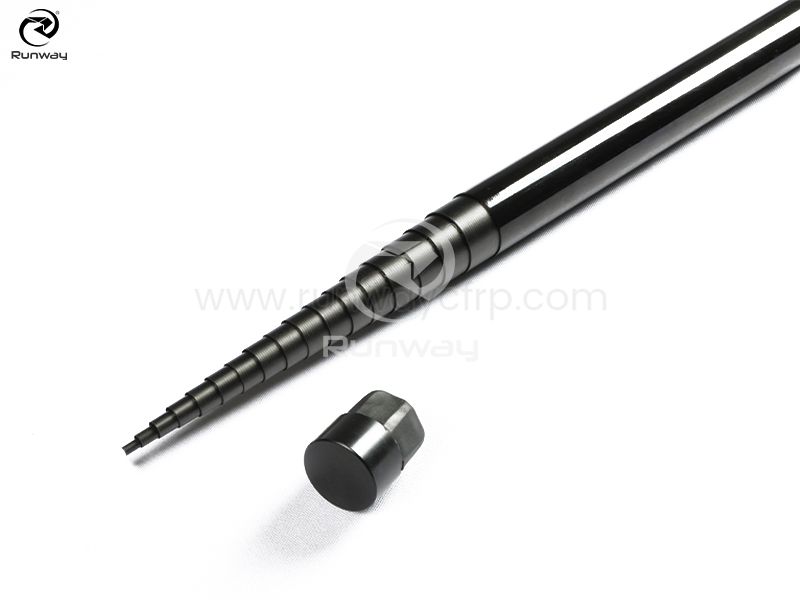
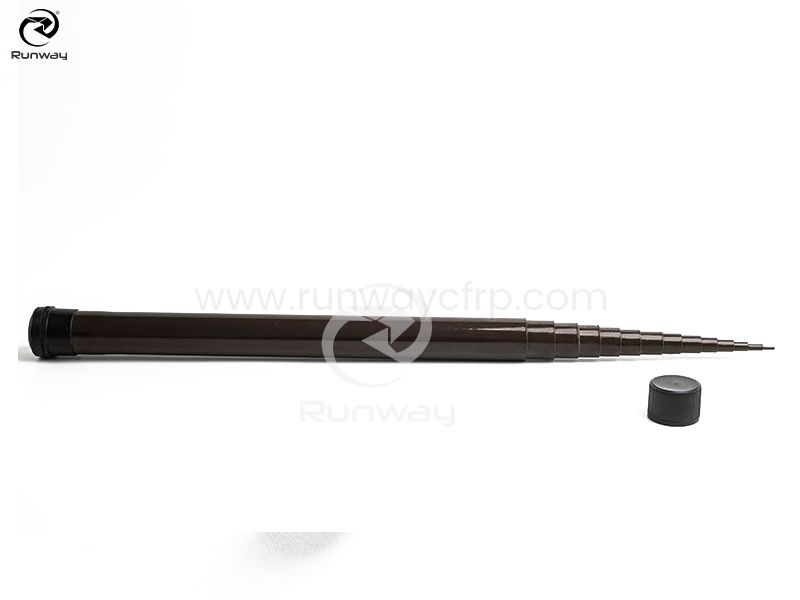
Our 40-foot antenna mast is available in three premium material options, each tailored to specific use cases:
Galvanized Steel: Boasts exceptional structural strength and superior corrosion resistance, making it perfect for harsh weather conditions—including strong coastal winds, heavy rainfall, and salt spray exposure.
Aluminum Alloy: Combines lightweight portability with robust load-bearing capacity. It is rust-proof, easy to transport and assemble, and well-suited for most inland residential installations.
Fiberglass: Features non-conductive properties that provide critical electrical isolation, an essential advantage for mounting ham radio antennas, satellite receivers, and other devices requiring signal separation.
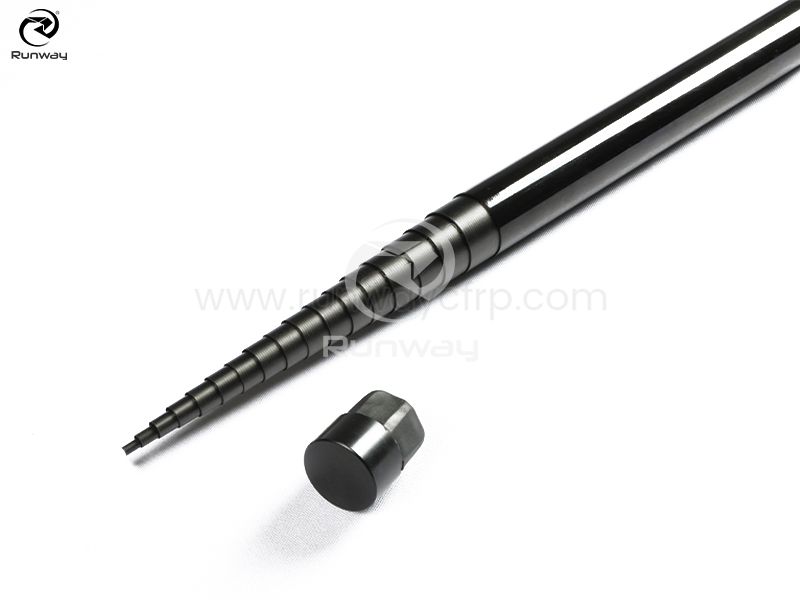
The mast adopts a practical sectional design, split into 2–4 detachable segments for hassle-free transportation and on-site assembly. To further enhance usability and stability:
Reinforcing brackets are integrated to boost structural rigidity and wind resistance.
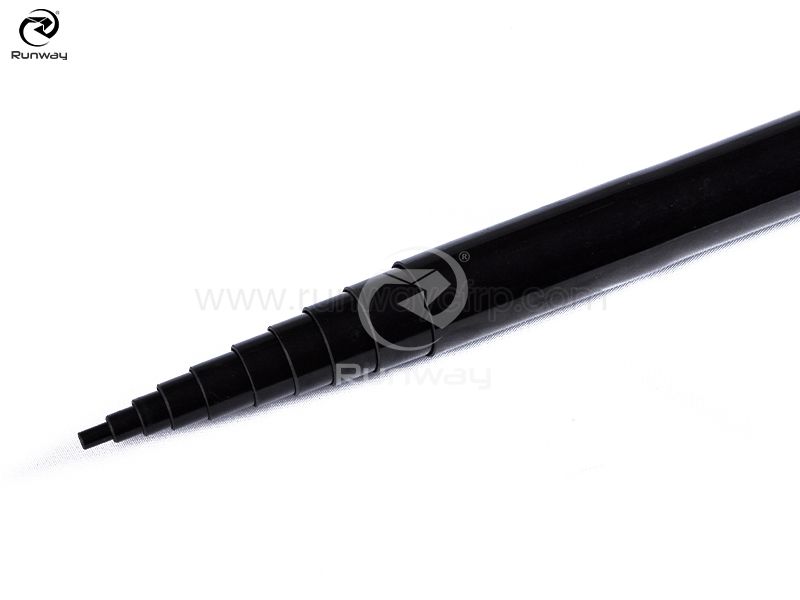
Optional telescopic structures allow for small-range height adjustment, adapting to varied installation requirements and signal capture needs.
A standard 40-foot antenna mast supports a wide range of equipment and accessories, with a load capacity ranging from 20–50 pounds (9–22.7 kg) (varies by material and design). It can securely hold:
Multiple antennas (TV yagi antennas, ham radio directional/omnidirectional antennas)
Weather station sensors (anemometers, rain gauges, temperature/humidity probes)
Auxiliary components (mounting clamps, signal amplifiers, lightning protectors)
Residential TV Reception: Enables crystal-clear over-the-air (OTA) HD TV broadcasts, eliminating the need for costly cable or satellite subscriptions.
Amateur (Ham) Radio: A top choice for radio enthusiasts, supporting long-distance communication via directional or omnidirectional antennas.
Weather Monitoring: Elevates sensors to unobstructed heights, ensuring accurate collection of environmental data for home or small-scale agricultural use.
Small-Scale Broadcasting: Ideal for low-power FM radio stations or private communication systems in rural communities and small businesses.
For optimal performance and safety, follow these key guidelines:
Solid Foundation: Anchor the mast to a concrete base, roof mounting bracket, or ground pole anchor to resist strong winds and prevent tipping.
Lightning Protection: Install a lightning arrester and properly ground the mast—especially critical in thunderstorm-prone areas—to safeguard the antenna system and connected electronics.
Regulatory Compliance: Check local building codes and height restrictions before installation to avoid compliance issues in residential zones.
Professional Installation Recommended: Due to the mast’s height and weight, hiring certified installers is advised to ensure safe, secure assembly and alignment.